
Dead Animal Removal
Dead Animal Removal in Colorado Springs
A bad smell that won’t go away? We find and remove dead animals from attics, crawl spaces, walls, decks and sheds around Colorado Springs.
Keep people and pets away, and don’t open walls or crawl into tight spaces. Just call or text where the smell is strongest.
Tell us where the smell is and what you’re seeing, and we’ll give you a price fast.
- Visible or hidden location
- Odor, staining, fluids, or insect activity
- Attic, crawlspace, wall, roof, or exterior access
Location and Access
Finding the Source of the Smell
Where the animal is and how we can reach it matter most. If it’s inside a wall, opening and repairing the wall is separate work.
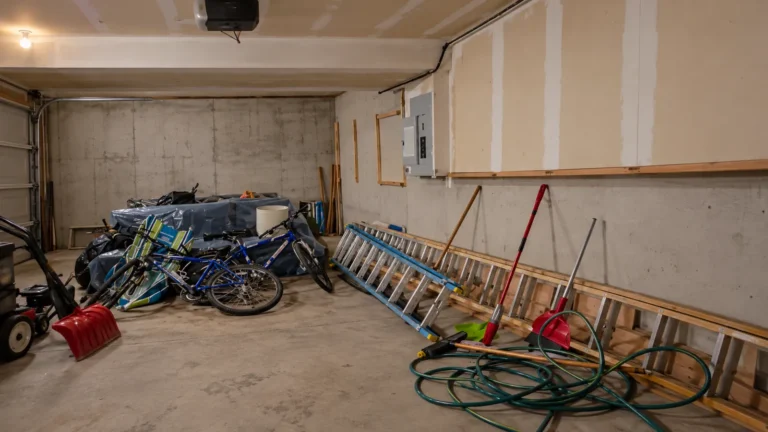
Accessible Interior or Exterior Remains
What kind of animal, if you know, how big, and how we can get to it.
- Visible location
- Approximate size
- Surface and access
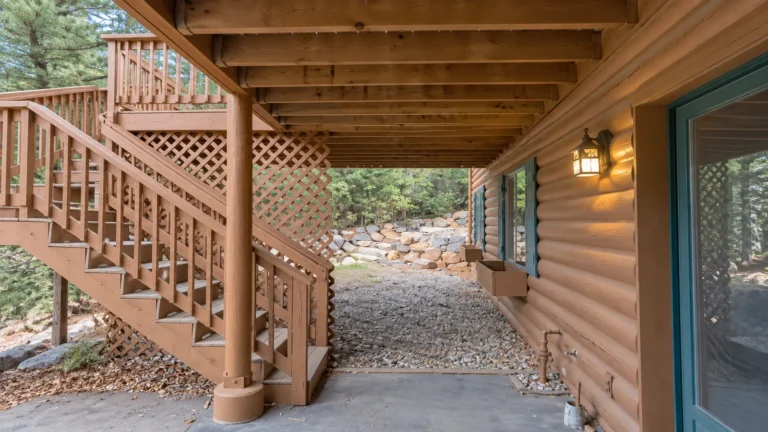
Walls, Ceilings, Attics, and Crawlspaces
Where the smell or stains are strongest and whether there’s an easy way to reach the spot.
- Strongest odor area
- Visible staining or insects
- Existing access point
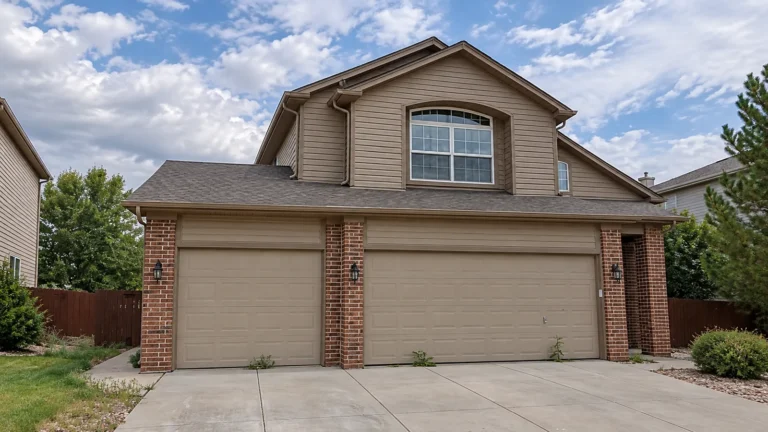
Removal, Cleanup and What’s Included
We tell you up front what’s included: removal, disposal, cleanup, and anything extra like opening a wall.
- Accessible removal area
- Cleanup expectations
- Separate opening or repair work
Details That Help
What Helps Us Quote Fast
Share what you can. The more we know, the faster we can quote.
Identify the room, level, exterior area, attic, crawlspace, or wall zone.
State whether remains are visible or only suspected.
Describe where it is strongest and when it began.
Report visible surface conditions without touching them.
Note flies, beetles, larvae, or other activity near the source.
Describe ladders, roof areas, crawlspaces, utilities, or restricted zones.
What We Look For
Where It Is, How to Reach It, and Cleanup
We find the source, remove it, clean up the area, and look for how it got in so the next one doesn’t.
- Keep people and pets away
- Do not touch or disturb remains
- Don’t open walls yourself
- Get your price and what’s included before we start
A Clear Service Process
How It Works
You get a clear plan and price before we ever schedule.
- 1
Tell Us What You’re Seeing
Call or text what you’re finding, where, and when it started.
- 2
Get a Free Quote by Phone or Text
Quotes are free by phone or text.
- 3
We Get to Work
We do the work, come back if follow-up is part of your plan, and keep at it until the problem is handled.
Phone quotes are free.Quotes are free by phone or text.
Schedule a Free Phone CallColorado Springs Dead Animal Guide
How to Tell There Is a Dead Animal in or Near Your Home
Odor is usually the first sign. Mice, rats, birds and squirrels often die inside walls, attics and crawl spaces, and larger animals can die under decks, sheds and slabs.
A strong, sweet and rotten odor that gets worse over several days, often strongest in one room or near one wall.
Odor in one area, flies gathering at a window or vent, stains on a ceiling or wall, or a carcass visible under a deck or in a window well.
A small animal can smell for one to several weeks depending on size, temperature and airflow.
Wall voids, attics, crawl spaces, behind appliances, ducts, chimneys, window wells, and under decks and sheds.
What You Can Do Now
Steps That Help Before Service
- 1
Note the room and spot where the odor is strongest, and when it started.
- 2
Keep children and pets away from any visible carcass.
- 3
Do not handle a dead animal with bare hands, especially a bat, skunk or raccoon.
- 4
Open windows and run fans to reduce odor until the source is removed.
Where We Service
Dead Animal Removal Service Areas
Colorado Springs is our home base. Dead Animal Removal service reaches these nearby areas too. Call or text to check your address.
Dead Animal Odor in Colorado Springs
Where Dead Animal Odors Usually Come From
Most calls start with a smell in one room, a closet, a wall or under the floor. Mice, rats, birds and squirrels are the most common animals found in walls, attics and crawl spaces. Larger animals such as raccoons and skunks are usually under decks or in crawl spaces.
Warm weather speeds up odor and attracts flies. A cluster of flies at a window or light near the smell is often a clue to where the animal is.
Removing the animal is only part of the job. Finding how it got in matters too, because the same opening can let in the next one.
Answers Before Service
Dead Animal Removal Questions
Here are the questions we hear most. Call or text if yours isn’t here.
Can you remove an animal from inside a wall?
Often, yes. If we need to open the wall to reach it, that’s quoted separately and we’ll tell you before we start.
What should I do before service?
Keep people and pets away, don’t touch it, and call or text us where the smell is strongest.
Does removal include all cleanup and repairs?
No. Removal, disposal, sanitation, structural opening, and repair are separate scope items and should be clearly listed in the approved work.
How is pricing determined?
Yes. Most jobs can be priced by phone or text from what you tell us. Quotes are free.
Why do I see flies along with the smell?
Flies are drawn to a carcass and breed on it, so new flies at one window or vent often point toward the source.
Should I use air fresheners or odor sprays?
They only mask the smell for a short time. Removing the animal and cleaning the area is what ends the odor.
Is it safe to remove a dead animal myself?
Small animals outdoors can be bagged with gloves, but animals that can carry rabies or hantavirus should not be handled without protective equipment.
What if the animal is inside a finished wall?
The location is narrowed down first, then the smallest practical access point is chosen. Repair of that opening may be a separate step.
How long does a dead animal smell last?
It depends on the size of the animal and the temperature. A mouse may smell for days to a couple of weeks, and larger animals much longer. Removal is the fastest way to end it.
Can you come out the same day for a dead animal smell?
When the schedule allows, yes. Call early in the day and tell us where the smell is strongest.
Do you remove dead animals from crawl spaces and under decks?
Yes, when the animal can be reached safely. Tell us where the smell is and whether there is access to the crawl space or under the deck.
Can a dead animal in the wall attract other pests?
Yes. Flies and carpet beetles can feed on a dead animal, so you may see them in the same area.
Call or send us the details
Request a pest control quote
Share the pest or service need, city or ZIP, property type, and affected area. Government buyers may also include the solicitation number, facility type, and required service schedule.
- Free quotes by phone or text
- Residential, commercial, and public sector requests reviewed directly
- Bird control and Solar Critter Guard projects reviewed by property and access
- Pricing and preparation explained before scheduling
Tell Us Where the Source Is Located
Call or send the address, property type, exact location, visibility, odor pattern, condition, access details, and any structural constraints.