Vole Control
Vole Exterminator in Colorado Springs
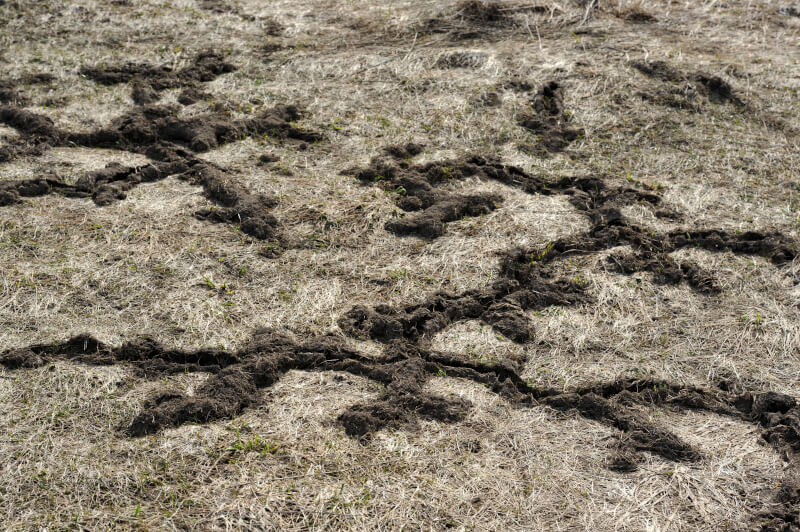
Surface runways, small openings, clipped vegetation, bark damage, and recurring activity help distinguish a vole concern from other burrowing pests.
Include the surrounding lawn or planting bed, not just one opening, so the travel pattern and landscape impact are visible.
Vole requests are reviewed by evidence, affected landscape, address, access, and the work that can be safely defined.
- Surface runways and small openings
- Clipped grass, roots, or bark
- Season, snow cover, and recurring damage
Landscape Evidence
Separate Vole Signs From Other Burrowing Activity
Report travel paths, openings, plant damage, and the areas where new signs continue to appear.
Note narrow paths through grass or groundcover and where they connect to openings or protected areas.
- Runway width and location
- Fresh clippings or droppings
- Connections beneath cover
Describe clipped vegetation, girdled bark, damaged roots, or concentrated feeding near beds and trees.
- Affected plant type
- Height and pattern of damage
- Recent versus older injury
Snow cover, dense vegetation, mulch, nearby open ground, and access can change where activity is visible.
- Time of year
- Groundcover and snow history
- Gates and service access
Details That Help
Information That Helps Confirm Vole Activity
Share the details that apply. Clear information helps determine the practical next step.
Show narrow surface paths through grass, mulch, or groundcover.
Note the size, location, and number of small burrow entrances.
Note clipped stems, roots, or bark injury.
Share when signs began and whether they change with weather or snow.
Identify lawns, beds, tree rings, slopes, and open ground.
Describe cleanup, repairs, repellents, or earlier service.
Scope Review
Travel Patterns, Plant Damage, Cover, and Access
Vole recommendations should reflect the evidence, affected landscape, seasonal cover, nearby habitat, access, and current operating scope.
- Describe where the damage is
- Identify valuable or damaged plants
- Describe recent weather or snow cover
- Confirm address and access conditions
A Clear Service Process
From Reported Signs to the Next Step
The goal is to define the evidence, property, access, recommended scope, service limits, and price before scheduling.
- 1
Collect the Property Facts
Share the signs, locations, timing, property type, access, prior work.
- 2
Get a Free Quote by Phone or Text
Quotes are free by phone or text.
- 3
Review the Approved Scope
Understand the recommended work, responsibilities, limits, follow-up, access, and any separately approved items.
Phone quotes are free.Quotes are free by phone or text.
Schedule a Free Phone CallColorado Springs Vole Guide
How to Tell You Have Voles
Meadow voles and prairie voles are common along the Front Range. They live in dense grass and ground cover and leave surface trails that become obvious when snow melts.
Small, chunky rodents with short tails, small ears and brown to gray fur. Often mistaken for mice.
Narrow surface runways through grass, small round openings without mounds, and chewed grass clippings along the trails.
Runways and damage are often found in late winter and early spring after snow cover melts.
Lawns, plant roots and bulbs, and bark chewed at the base of young trees and shrubs.
What You Can Do Now
Steps That Help Before Service
- 1
Keep grass mowed and pull mulch a few inches back from tree trunks.
- 2
Trim dense ground cover next to the foundation and planting beds.
- 3
Clean up spilled birdseed under feeders.
- 4
Note runways and damaged plants and when you first saw them.
Where We Service
Vole Control Service Areas
Colorado Springs is our home base. Vole Control requests in these nearby areas are reviewed by address and route.
Voles After a Colorado Springs Winter
What Vole Damage Looks Like Here
Voles are small, short-tailed rodents that live in grass and ground cover. They stay active all winter under the snow, so the damage usually shows up all at once at snowmelt: narrow surface runways chewed into the lawn, and bark gnawed off at the base of shrubs and young trees.
Thick ground cover, heavy mulch against trunks, tall grass along fences and open space next to the yard give voles cover. Trimming that cover back and keeping mulch a few inches away from trunks makes a yard less attractive.
Vole numbers rise and fall from year to year. A yard that had a few trails one spring can have many the next, so it helps to act when you first see fresh runways.
Answers Before Service
Vole Control Questions
Review the common questions below, then call if your property or activity requires a different scope.
How are vole signs different from gopher signs?
Voles commonly leave surface runways, small openings, and vegetation damage, while gopher activity often produces more obvious soil mounds.
What plant damage should I report?
Share clipped stems, root injury, bark gnawing or girdling, and the exact plants or landscape sections affected.
Do seasonal conditions matter?
Yes. Snow, dense cover, irrigation, and vegetation can change where runways and fresh damage appear.
Can the work be quoted by phone?
A phone quote may be possible when the activity and scope can be defined remotely. Quotes are free by phone or text.
Are voles the same as moles?
No. Voles are rodents that eat plants and roots. Moles are insect eaters and are not common in Colorado Springs.
Why did my lawn get trails after the snow melted?
Voles travel under the snow all winter, and the runways they made show up once it melts.
Can voles kill trees?
Yes. Chewing around the base of a young tree or shrub can girdle it.
Do voles come inside the house?
It is uncommon. They prefer outdoor cover, but activity along the foundation is worth reporting.
How much does vole control cost?
Price depends on the nest or activity, where it is, access and the work required. Many quotes can be given by phone for free. Quotes are free by phone or text.
Can you inspect my yard for voles?
Yes. Quotes are free by phone or text.
Are voles active in winter?
Yes. Voles do not hibernate. They keep feeding under the snow, which is why runways and bark damage appear at snowmelt.
How can I protect young trees from voles?
Keep mulch and tall grass pulled back from the trunk and watch for gnawing at the base. Call when you see fresh damage so the activity can be addressed.
Call or send us the details
Request a pest control quote
Share the pest or service need, city or ZIP, property type, and affected area. Government buyers may also include the solicitation number, facility type, and required service schedule.
- Free phone quotes when the work can be scoped remotely
- Residential, commercial, and public sector requests reviewed directly
- Bird control and Solar Critter Guard projects reviewed by property and access
- Pricing and preparation explained before scheduling
Show Us the Vole Runways and Damage
Call or send the address, runways, openings, plant damage, timing, landscape conditions, access details.